Cyberbullying and Digital Humanitarian Response
Cyberbullying is not a new phenomenon. It has been around since the early days of the Internet…or at least as far back as I can remember the Internet (i.e. early 90s). And, its significance has only grown over time. Many governments and organizations have stated their intention to combat it. Even one Dutch major called on establishing an “online restraining order” [PDF].
Having worked online since the mid ‘90s, I still naively believed that cyberbullying would not creep into the world of digital humanitarian response. After all, these were supposed to be people working with an intention to help those in need.
So, when I was first approached by someone in the digital humanitarian community to report (cyber) bullying during an ongoing response, I felt a range of emotions. I was shocked, dismayed, sympathetic for those affected, and disappointed in the perpetrator. Unfortunately, over the years I have seen that this was not an isolated event but happened in different responses and was perpetrated by different individuals.
To be fair and transparent, I quickly realized that not every instance was intentional after speaking with involved parties. In such emergency responses, people are generally trying to help. They may be exhausted after working 20+ hours per day. They may be more direct than usual. They want to make things happen as quickly as possible. They may want to share their knowledge, but not want to teach. They might want a quick decision rather than a consultative one that takes days. They might have seen countless distressing images and be more emotional than usual. I am not trying to dismiss bad behaviour, but recognize that we are operating in a high intensity environment that can more easily lead to bullying-like behaviour (or interpretation) than in normal situations.
In this regard, I was happy when Batool Barody joined me to investigate the topic. Leveraging her research, we have put together a short paper that includes recommendations to organizations (or groups) who are keen to combat Cyberbullying within their digital response efforts. See Protecting Workers from Cyberbullying within Digital Humanitarian Response - May 2021
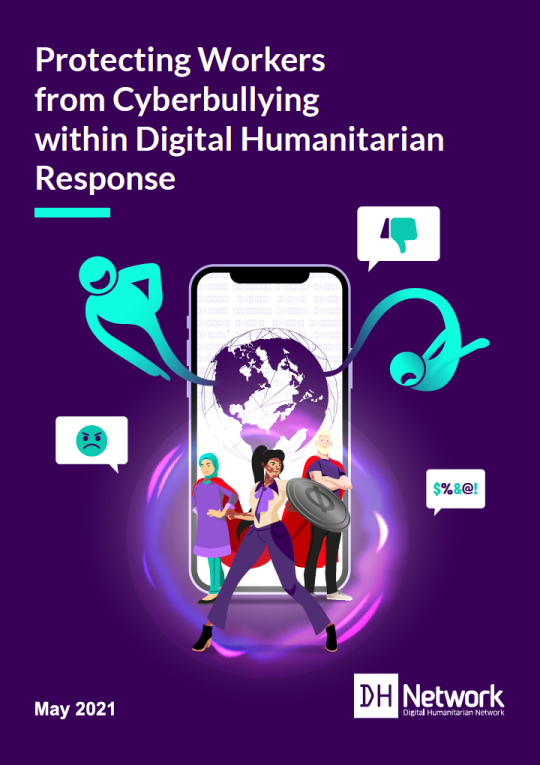 [PDF]
Andrej