Getting Past the Hype in Humanitarian Innovation
Getting Past the Hype in Humanitarian Innovation
Technology hype becomes dangerous when the perceived strengths of a new digital tool take priority over real operational needs. That is not new. But, over the past few years (think ChatGPT launch), we have seen excitement around emerging technologies push organizations to focus, more than usually, on flashy tools or magical AI solutions rather than the actual problems crisis responders face in the field. While the humanitarian sector must adapt to increasingly complex emergencies and tighter budgets, buying into exaggerated promises often leads to wasted resources and broken trust.
So, we want to adopt technology and we do not want to waste time doing so. Thus, my question became: how does the humanitarian sector get as close as possible to a technology as it moves along the hype cycle without falling prey to the potential pitfalls? This past summer, James Brennan joined me to explore that very question. And, I am excited to say that we now sharing the result of that collaboration: Getting Past the Hype: Navigating the Future of Humanitarian Innovation. The paper examines why digital transformation efforts so often falter and how organizations can shift from chasing short-lived novelties to becoming true navigators of ethical, practical innovation.
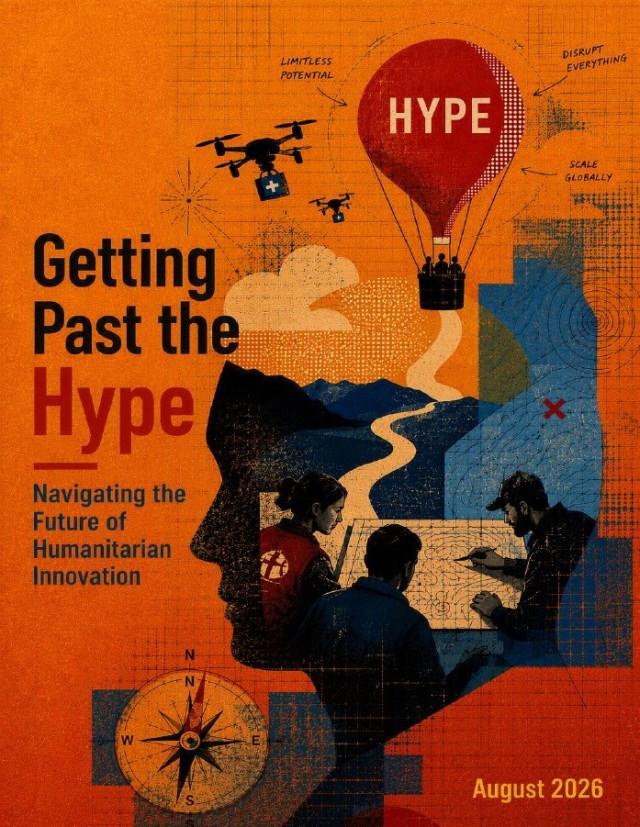
In the report, we break down four systemic innovation traps that hold response teams back. Organizations often start by chasing the shiny new object instead of starting with field workflows, which quickly leads into “pilot purgatory” where promising tests never scale or properly close. At the same time, relying on off-the-shelf commercial software can leave organizations dependent on tools that fail to meet strict data privacy standards. Finally, many initiatives fail due to a lack of “innovation interpreters” who can bridge the communication gap between technical teams and frontline responders.
Rather than attempting to build every piece of software internally, humanitarian agencies can look to proven open collaboration frameworks used by institutions like the National Aeronautics and Space Administration (NASA). By sharing anonymized datasets, offering field expertise and applying strong governance standards, humanitarians can guide external partners to build tools that serve real community needs.
To help organizations move forward, we outline four practical steps for reforming internal digital strategies:
- Build external collaborative structures with clear governance standards to guide third-party partnerships.
- Perform an internal audit of active and stalled pilot projects to decide whether to scale, redesign or close them.
- Create a visible profile of organizational priorities along with their associated datasets.
- Formalize innovation interpreter roles within existing teams to connect field needs with technical requirements.
Read the full paper to see how a problem-first approach can help the sector turn digital tools into lasting operational impact.
Andrej